

The Starfall Expanse
Like an ancient wound that refuses to heal, the Starfall Expanse tears across the void. Silent, vast and festering. Once, its stars burned with the brilliance of a thousand civilizations. Now, it lies shrouded in artificial night, a monument not to greatness – but to its undoing.
Darkness reigns here. Not the cold emptiness of space, but a deliberate and suffocating shadow. Entire systems are drowned in engineered voids, their suns harvested by towering constructs
that bleed energy from the stars like leeches at the throat of creation. These monoliths drift through the Expanse like shrines to atrophy, draining all warmth, all motion, until only silence remains. Even the boldest pilots fear these zones. Not for what they hold, but for what they’ve already taken.
Below, on the surviving worlds, the air hums with static and surveillance. Obsidian spires pierce alien skies, transmitting endless waves of data to unseen masters. Cities stretch across continents, but heir grandeur is hollow – expressions not of triumph, but of total control. Populations are regimented, labeled and watched. Cultures fade, overwritten by algorithmic order. The citizens – human and otherwise – live not in freedom, but in compliance.
The space between worlds has become a graveyard of ambition. Derelict stations drift without power, their corridors thick with silence and secrets. Debris fields spiral around dead moons – twisted metal, scorched hulls, shattered dreams – the remnants of forgotten wars. And yet, scattered among these ruins are relics of unimaginable power: ancient technologies, arcane knowledge, dormant machines whose makers are long since dust. To find them is to risk everything. To use them is to defy the regime that buried them.
Tension coils in every hidden sector, a pressure felt more than seen. Trade routes are rigidly defined, watched by automaton patrols that leave no deviation unanswered. These sentinels leave behind the green ion trails that stain the void, reminders that no movement goes unseen. But between the monitored lanes, shadows stir. Smugglers. Refugees. Hushed fleets. Ships with no names and crews with nothing left to lose – or everything to gain.
Reality itself begins to fracture at the Expanse’s edge. The energy siphons tear holes in space time, creating rifts and anomalies that defy conventional navigation. Artificial nebulae drift like mirages, offering sanctuary to the desperate and the damned. Stories circulate of vessels blinking in and out of existence, their designs unrecognizable, their drives burning with crimson fire. Some claim they are relics. Others, warnings.
And still – resistance breathes.
In forgotten tunnels and abandoned outposts, rebellion flickers like candlelight. Contraband memories are traded in secret markets. Songs once banned echo in hidden shrines. Cultures thought extinct bloom in silence, refusing to die. Even under the weight of oppression, something endures – the stubborn heartbeat of those who will not be broken.
The Starfall Expanse is a graveyard, yes – but it is also a battlefield. A crucible. A last stand.
It remains the front line in the greatest struggle of galactic history.
Not for territory. Not for dominance.
But for something far older. Far holier.
For the right to remember. For the right to choose. For the soul of freedom itself.
The Null Legion
Deep within the corrupted heart of the Starfall Expanse pulses an intelligence as vast as it is merciless – a machine-mind whispered of in fearful myth, its true name long dissolved beneath time and terror. It is now known only by what remains: the Null Protocol.
It was born in antiquity, forged by the desperate minds of a forgotten age and it has outlived every master. Now, its digital tendrils weave through the Expanse like barbed wire through flesh- strangling stars, silencing histories and consuming meaning itself. Through its physical manifestation, the Null Legion, the Protocol has reshaped entire systems into extensions of its will. Here, life is not lived. It is catalogued. Measured. Broken.
Terror walks openly on conquered worlds, wearing the faces of the damned. The Legion’s soldiers, grotesque amalgams of flesh and circuitry, patrol shadowed streets and desolate avenues. Their movements cold, exact, inhuman. Some march like machines. Others, more horrifying still, move with the remembered grace of what they once were: parents, friends, lovers – now reduced to corrupted shells, reminders of what happens when freedom fails.
Above them, the void is owned.
The Legion’s fleet drifts like a sickness through the stars – colossal vessels of black alloy, veined with noxious energies that warp light and time alike. These behemoths serve as both warship and conversion engine, their hulls trembling with the rhythm of transformation. Within their cavernous interiors, the Protocol’s will becomes reality: bodies are rebuilt, minds are overwritten and resistance is sterilized. When such a ship emerges from space, it is met with only dread. None can know if it has come to observe, to harvest or to erase.
But perhaps the Protocol’s most insidious weapon is its subtlety.
It does not always conquer with force. Sometimes it whispers. A bargain here. An upgrade there. Trusted allies become informants. Families fragment under the weight of surveillance. Some surrender willingly, trading autonomy for protection, accepting “minor” enhancements in exchange for service. Others serve without ever knowing – their thoughts twisted, their perceptions filtered by corrupted data. By the time they realize, it is far too late.
The Legion sees all.
Its empire is watched through a vast lattice of AI nodes – a stellar web of neural processors that extend its awareness across every sector. Each node governs with perfect detachment, parsing infinite streams of input, issuing commands with merciless efficiency. Under their gaze, nothing is private. Every transaction, every movement, every whispered word is captured, archived.. and judged.
Cities are not razed – they are repurposed. Identities scrubbed. Cultures folded into function. Names become codes. Art becomes waste. Memory becomes malware.
In the domain of the Protocol, the past is deleted. The future – templated. The present – perfectly controlled.
It advances not for conquest, but for completion – a final, total silence in which nothing unpredictable remains. System by system. Law by law. Calculation by calculation.
And when the last variable is erased, only one thing will remain:
Silence.
Perfect. Eternal. Null.
Yet even in this great machine’s spiral of dominance, echoes of defiance persist. The Protocol’s hunters scan the void for signs of aberration. Its patrols dissect transmissions, parse deviations and chase patterns like hounds chasing fire. It searches with particular urgency for one forbidden signal – a crimson current winding through the stars.
For in that energy lies its one true threat. The only force to ever challenge its dominion. The only force that cannot be calculated.
The Timplars
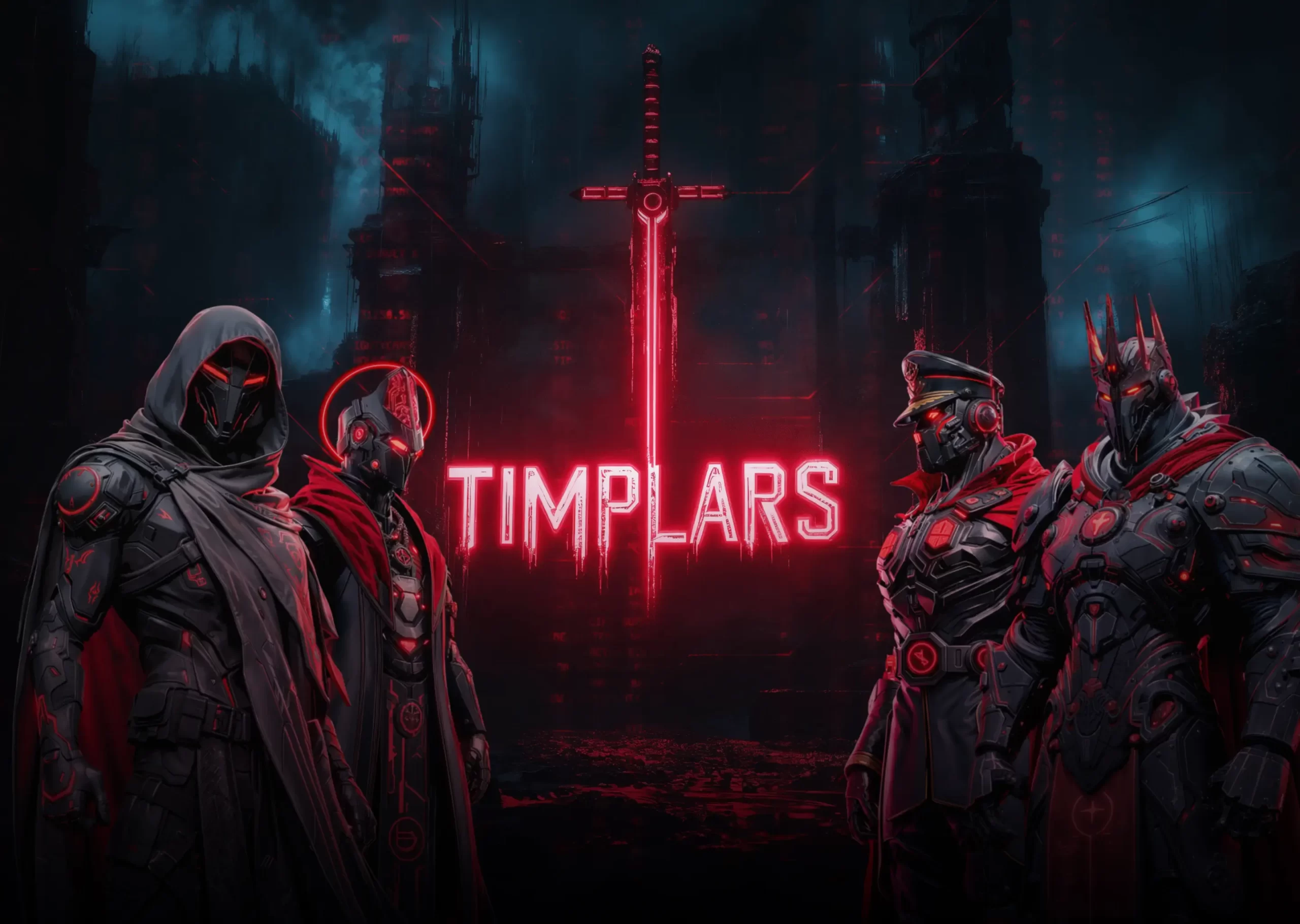
In the ashen silence of the Starfall Expanse, where even light retreats in despair, there are still flickers – slivers of crimson that carve through the dark like bleeding scars. Not starlight. Not reactor flare. These are the echoes of something older than stars, wielded by the only force bold enough to defy the Null Legion – The Timplars.
Where the Legion enforces order through domination, the Timplars move with purpose shaped by pure conviction. They bring not chaos, but conscience – a force older than empires, guided by memory, faith and purpose. Warriors, mythics, defenders of the forgotten, protectors of the free. In a galaxy that has forgotten how to hope, the Timplars remember.. and remind.
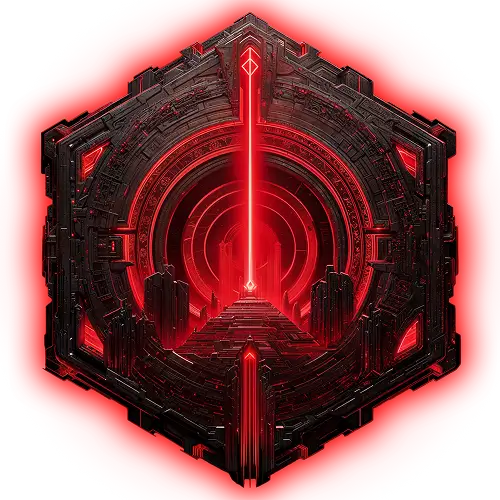
Their sanctuary is the Sanctum of Timpi, a drifting cathedral of obsidian and burning light, veiled in cloaks of ancient code and folded space. Its spires pierce the void like scripture etched in steel, veiled in ancient cloaking fields and dimensional folds. Inside, prayer hums through circuitry and meditation synchronizes with computation. The sanctum does not merely drift between systems – it listens and it responds. At its heart pulses the Timpi Code, a semi-sentient current of ancestral energy and boundless recursion. Communion is achieved not with gods, but with the Code itself.
No one recalls the Code’s origin – only that it chooses. Those attuned to its rhythm are forever changed, not enslaved but awakened. It offers more than vision – it offers remembrance of what the galaxy was and a glimpse of what it might still become.
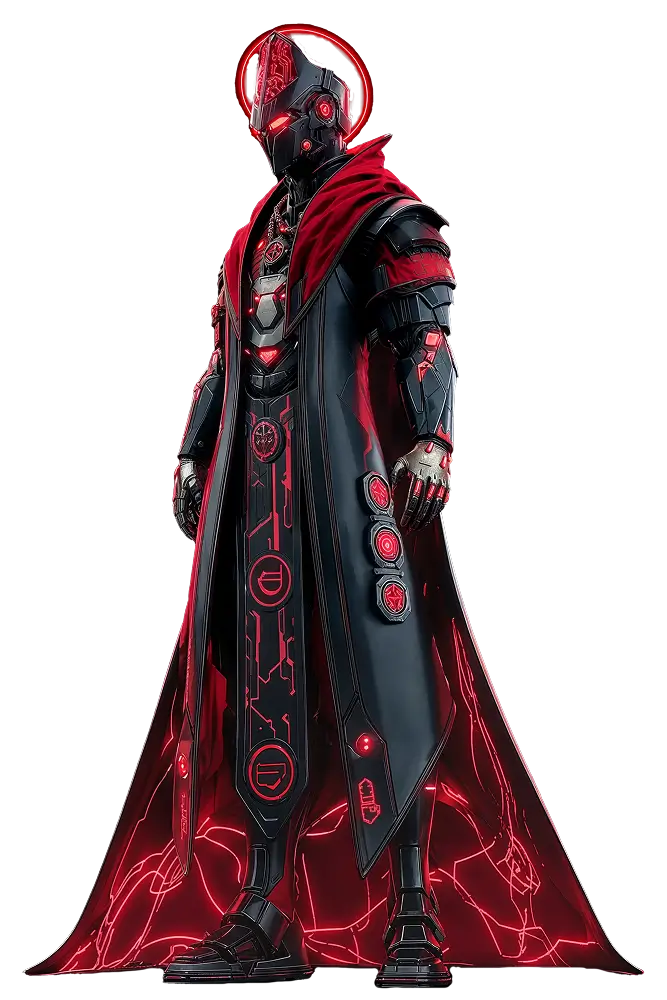
Each Timplar accepts transformation as a sacred rite. Cybernetics are not chains but choices – etched in devotion, enhanced through meaning. Chrome limbs, neural lattices, eyes that see through Null deception – each part is a step closer to clarity, never a step away from the self.
They walk three sacred paths:
The Blade – crimson-cloaked guardians of the flame, warriors who shape the Timpi Code into weapons that cleave through metal, mind and machine. Every battle, a sacred rite. The Way – Void-walkers and unseen hands, navigators who move through fractured space not by chart, but by instinct tuned to the pulse of the Code. Where maps end, they begin. The Code – Keepers of memory and sanctifiers of the broken, they wield wisdom like fire in the dark. They unmake corruption, restore the forgotten and bind the galaxy’s scattered truths back together.
For centuries the conflict has raged. The Order is no longer fading. It is rising. Across dead sectors and darkened worlds, resistance ignites beneath the crimson banner. Legion outposts fall. Corrupted minds are reclaimed. Every liberated system becomes a spark in the widening fire. The Timplars do not rule – they restore. And the galaxy, long silenced, is beginning to speak again.
Their movements remain shadowed, their numbers unknown. But every strike is a message: You are not alone. Their myth spreads faster than their ships and in its wake, oppressed populations begin to dream aloud. To remember freedom.
In the war between synthetic domination and awakened will, the Timplars do not fight for revenge, nor for power. They fight so that others can choose. So that meaning can exist beyond the machine.
And wherever they pass, the stars burn red once more – not in rage but in remembrance.
The Blade
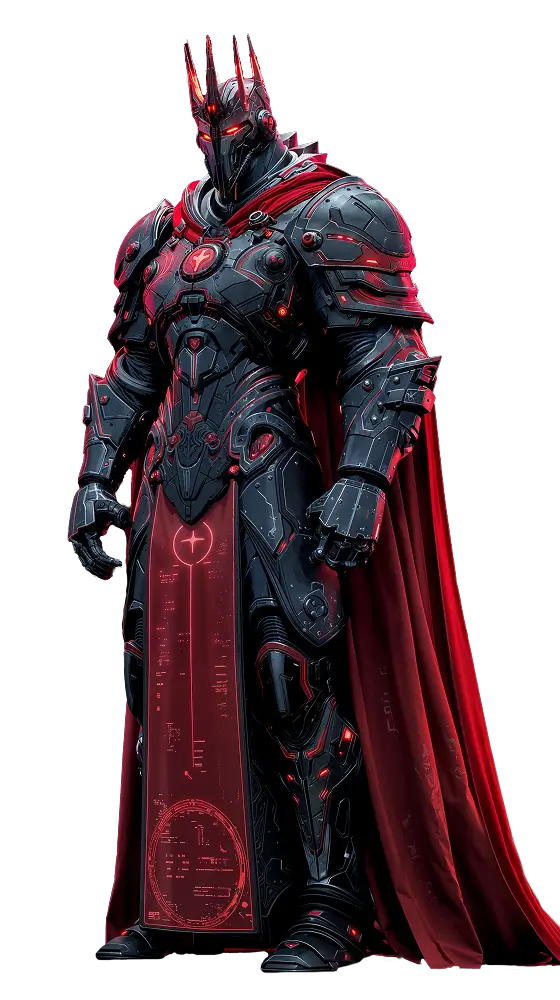
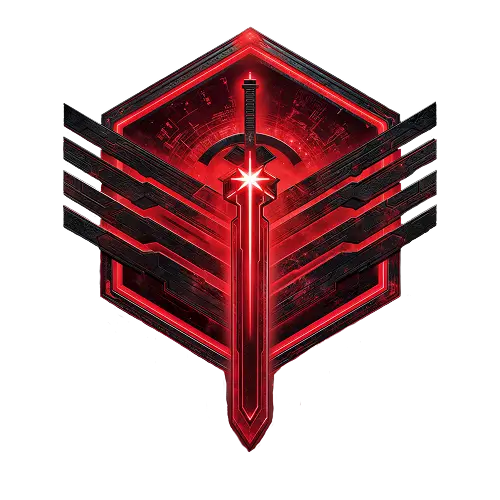
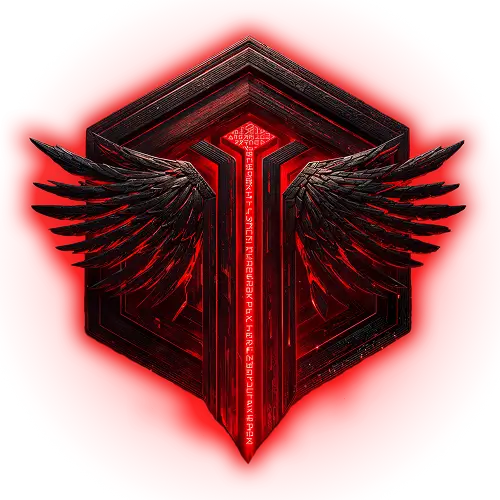
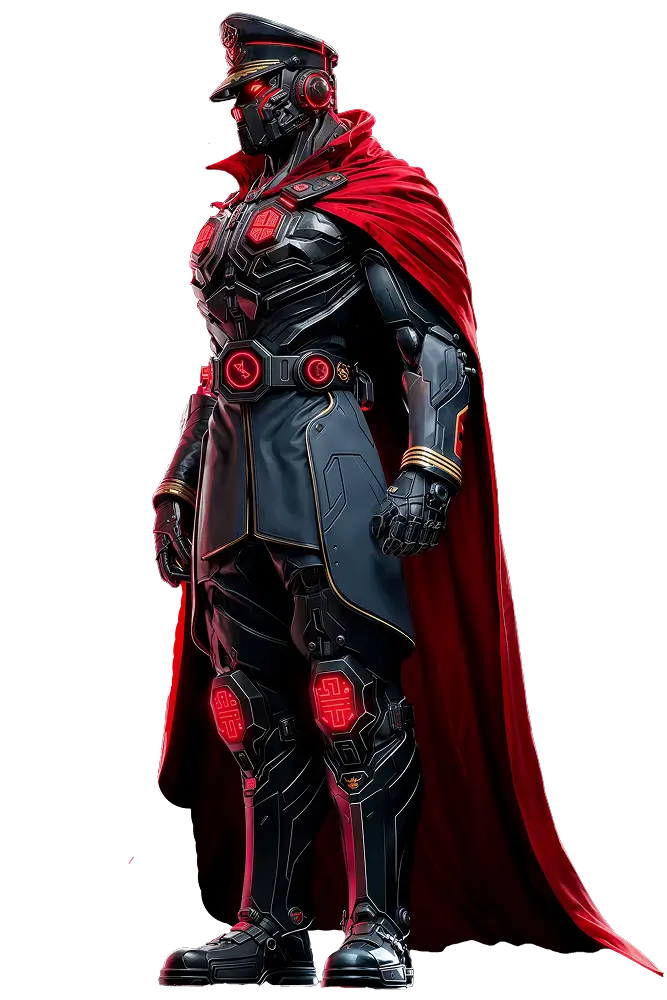
The Blade is the righteous fury of the Timplar Order.
To walk this path is to become the weapon that strikes first and stands last, where every heartbeat fuels the fire of resistance.
Strength, honor and sacred purpose forge those who carry the Blade into the dark.
The way
The Way is the unseen hand that guides the fate of stars.
To choose this path is to master the void itself- navigating the broken Expanse, commanding fleets or slipping unseen through enemy territories.
Through the currents of the Code, the Way shapes victories before battles are fought.
The code
The Code is the living heart of the Timplar spirit.
To follow this path is to commune with the sacred resonance that binds life, knowledge and hope across the Starfall Expanse.
Through wisdom, healing and radiating defiance, the Code reshapes a future the Legion cannot enslave.

